

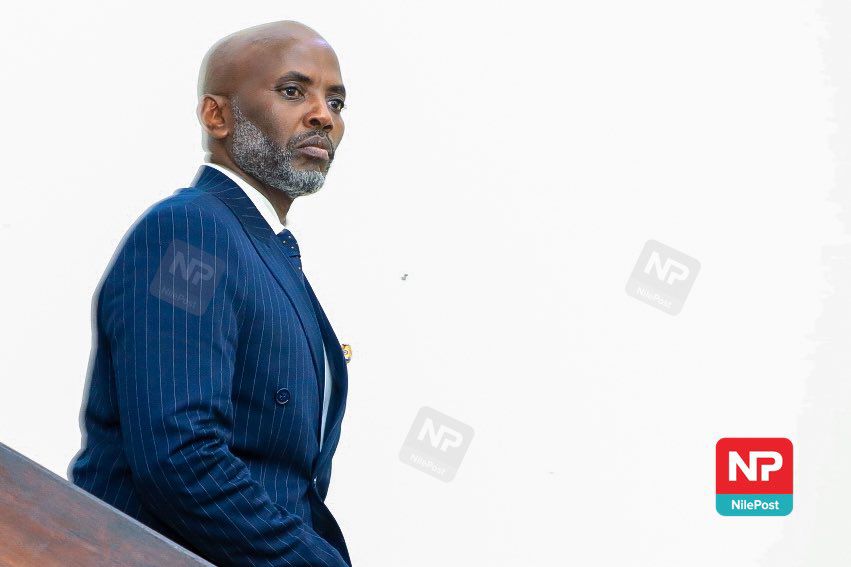
The Minister-designate for Internal Affairs, Lawrence Muganga, has launched a strong public response following his contentious appearance before Parliament's Appointments Committee, alleging bias, discrimination and political sabotage during the ministerial vetting process.
In a statement issued after the vetting, Muganga rejected allegations that he holds dual citizenship with Rwanda, describing the claims as false and politically motivated.
His remarks were made in response to public comments by Daudi Kabanda and followed widespread discussion surrounding his appearance before the committee.
Muganga also levelled allegations against the Deputy Speaker of Parliament, Thomas Tayebwa, who chairs the Appointments Committee.
He claimed to possess audio evidence that would demonstrate that the outcome of the vetting process had been predetermined before he appeared before the committee.
According to Muganga, the alleged recording suggests that committee members had resolved that one nominee would fail the vetting process and that he had been selected for that outcome.
He said the decision was not based on questions of citizenship, qualifications or integrity, but on personal and discriminatory considerations.
Muganga stated that he intends to release the alleged audio recording publicly.
The minister-designate further alleged that his treatment before the committee amounted to discrimination linked to his identity as a Munyarwanda.
He argued that the Banyarwanda are a constitutionally recognized indigenous community in Uganda and should not be subjected to differential treatment.
Defending his record, Muganga said he has served both Uganda and international institutions for decades and has worked in dozens of countries without encountering what he described as the level of hostility he faced during the vetting process.
He challenged members of the public and the media to seek accounts from other members of the Appointments Committee, including opposition legislators who attended the proceedings.
Muganga also questioned whether there were other motives behind resistance to his appointment, suggesting that his prospective leadership of the Ministry of Internal Affairs may have generated concerns among some political actors.
He concluded by calling for equal treatment of all Ugandan citizens and warned against what he described as the selective application of laws against particular communities.
The allegations have added a new dimension to the debate surrounding the ministerial approval process and could further fuel discussions about identity, citizenship and transparency in public appointments.
As of publication, neither Parliament nor Tayebwa had publicly responded to the specific allegations raised by Muganga, including his claims regarding the existence of audio recordings related to the vetting process.
The controversy comes amid ongoing scrutiny of Cabinet appointments and is likely to remain in focus as Parliament continues consideration of presidential nominees.
